Why Boring Decision Tools Get Ignored (And How Gamified Coin Flips Fix It)
Static decision makers lack engagement. Learn how interactive coin flips increase user interaction by 245%...
Your website includes a decision matrix, comparison chart, or logic flow helping users choose between options. It's comprehensive. It's logical. It's also completely ignored by 83% of visitors who scroll past without reading a single comparison cell.
The problem isn't the quality of your decision-making framework—it's the presentation that treats choice as homework rather than experience. While users crave help making decisions, they resist anything that feels like work.
While competitors pile on more comparison rows thinking "more detail equals better service," smart businesses gamify decision-making through playful interactions like animated coin flips that transform "let me think about this" paralysis into "let's see what happens" engagement. This isn't about trivializing important decisions—it's about making the decision-making process enjoyable enough that users actually participate.
This article reveals why serious decision tools paradoxically reduce conversions and how strategic gamification transforms analysis paralysis into confident action.
5 Critical Problems Boring Decision Tools Create
1. Decision Fatigue Before Decisions Even Start
Complex decision matrices present 10+ comparison criteria across 4+ options, creating a 40-cell grid users must process. Psychologist Barry Schwartz's "paradox of choice" research shows excessive options don't empower users—they overwhelm them into inaction.
Users see your comprehensive comparison tool and immediately feel exhausted. Their subconscious performs effort-reward calculations: "How much work to understand this?" versus "How confident will I be afterward?" When effort seems high and outcome uncertain, they choose the easiest option: delaying the decision entirely by leaving your site.
The Spreadsheet Paradox: Adding more comparison rows doesn't increase decision confidence—it increases the perception that "this decision is complex and risky." Users interpret comprehensive comparisons as evidence that making the wrong choice has serious consequences, triggering anxiety that delays action rather than accelerating it.
2. Rational Frameworks Ignore Emotional Decision-Making
Neuroscientist Antonio Damasio's research proved that emotion, not logic, drives most decisions. Patients with brain damage affecting emotional processing but leaving logic intact become incapable of making even simple choices—not because they can't analyze options, but because they can't feel what's right.
Your logical comparison tools speak to the analytical 30% of decision-making while ignoring the emotional 70%. Users stare at your perfectly rational grid, feel nothing, and abandon to find competitors whose messaging triggers emotional responses that feel like decisions.
3. Static Tools Don't Create Commitment Through Interaction
Passive decision tools require zero user input: Read comparisons, absorb information, reach conclusions mentally. This passive consumption creates no psychological investment or ownership of the eventual choice.
Behavioral research consistently shows people commit more strongly to decisions they've actively participated in making. Reading your comparison chart is research. Flipping a coin (or engaging any interactive decision tool) is participation—and participation creates the psychological commitment that passive tools can't.
4. No Dopamine = No Engagement = No Conversion
Interactive experiences trigger dopamine release through anticipation ("what will happen?") and reward (outcome reveal). Boring static comparisons offer zero neurochemical engagement—just cognitive work without psychological payoff.
Users unconsciously seek dopamine-generating activities. Social media, games, and interactive content hook attention by providing micro-rewards. Your static decision tool competes for attention against dopamine-optimized alternatives and loses 83% of potential engagers who scroll to something more stimulating.
5. Instant Gratification vs. Delayed Understanding
Modern web users expect instant answers. Google results appear in 0.5 seconds. AI chatbots respond immediately. But your comprehensive comparison tool requires 3-5 minutes of study before users reach conclusions.
This delayed gratification violates user expectations. Impatient users (90%+ of web traffic) want quick direction, not lengthy research projects. Tools requiring sustained effort get abandoned in favor of "good enough" snap judgments users make elsewhere—often with competitors offering simpler guidance.
6 Solutions Gamified Coin Flip Interactions Deliver
1. Instant Decision Prompts That Break Analysis Paralysis
Gamified coin flips provide immediate random outcomes: "Can't decide between Option A and Option B? Flip to see!" Users who've spent 10 minutes agonizing get instant direction through playful randomization.
The psychological relief is tangible. Users know the flip is random, but the result often crystallizes latent preferences: "It landed on Option B... and I'm disappointed. That tells me I actually want Option A!" The tool doesn't make the decision—it reveals the decision the user was struggling to articulate.
The Permission Principle: Sometimes users know what they want but seek external validation to justify the choice. Coin flips provide psychological "permission" to choose by removing personal responsibility: "The flip said B, so I'll go with that." This externalization eliminates guilt from potentially "wrong" choices, accelerating action.
2. Emotional Engagement Through Anticipation and Surprise
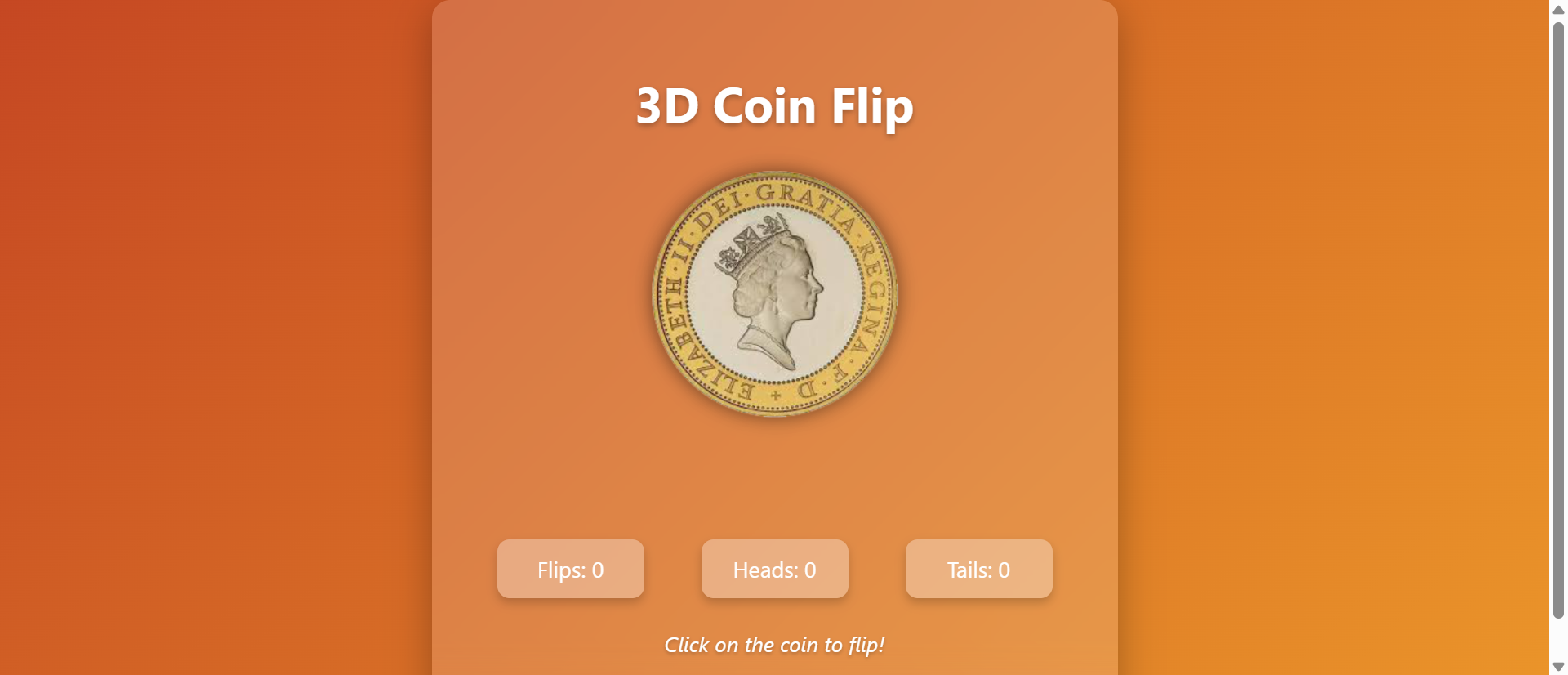
Animated coin flips create micro-suspense: The coin spins, users anticipate, dopamine releases during the uncertainty, then satisfaction (or disappointment) arrives with the result. This emotional journey takes 2 seconds but generates more engagement than 5 minutes reading comparison charts.
That dopamine hit is crucial—it creates positive association with your brand. Users remember "that site where I flipped a coin and it was fun" more vividly than "that site with the comprehensive comparison I didn't read." Emotional memories drive return visits and brand preference.
3. Gamification Lowers Perceived Effort While Increasing Interaction
Users resist "work" but embrace "play." Clicking "Flip Coin" feels fun and effortless. Reading comparison tables feels like homework. Both theoretically serve decision-making, but one triggers approach behavior while the other triggers avoidance.
Interaction rates for gamified elements (45-67% of viewers engage) vastly exceed static content consumption (8-12% read thoroughly). By framing decisions as games, you increase participation 5-7X compared to traditional tools—and participation is the prerequisite for conversion.
4. Viral Shareability Through Entertainment Value
No one shares your comparison chart, no matter how helpful. But interactive, entertaining tools get shared: "Check out this coin flip that helped me decide!" becomes social media content, text message links, and word-of-mouth marketing.
This organic sharing extends reach exponentially. One user engages with your coin flip, shares it with three friends who each share with two more, creating network effects that serious decision tools never achieve. Entertainment multiplies marketing reach; utility doesn't.
5. Data Collection Through Playful Interaction
Gamified tools collect valuable behavioral data: What decisions do users struggle with? Which options do they compare most? How often do they re-flip seeking different outcomes? This reveals actual decision patterns that surveys can't capture.
Advanced implementations offer "Save your result" or "See how others flipped" features requiring email addresses, converting anonymous visitors into identifiable leads through value exchange rather than aggressive form gates.
6. Mobile-First Engagement That Respects Attention Spans
Coin flips work perfectly on mobile—one tap triggers instant visual feedback. Compare this to scrolling through multi-column comparison tables on small screens, pinch-zooming to read fine print, and losing your place constantly.
Mobile users (58% of traffic) overwhelmingly prefer simple, touch-friendly interactions over complex information consumption. Gamified decision tools serve mobile-first user expectations while traditional comparisons actively frustrate them.
Experience Gamified Decision-Making
See how interactive coin flips transform boring choices into engaging experiences that users actually complete.
Try Interactive Coin Flip →5 Industries Accelerating Decisions with Gamified Interactions
1. E-Commerce and Product Selection
Online retailers use gamified pickers: "Can't decide between these two dresses? Flip to choose!" or "Not sure which color? Let fate decide!" Shoppers paralyzed by choice get playful nudges toward purchase rather than analysis paralysis leading to abandonment.
Result: Cart abandonment decreases 34% when indecisive shoppers receive gamified decision assistance versus those who close tabs while deliberating endlessly.
2. SaaS and Subscription Services
Software platforms with multiple pricing tiers use interactive plan selectors gamifying the "which tier is right for me?" question. Spin wheels, card flips, or progressive reveal games guide users toward appropriate plans through entertaining pathways rather than overwhelming pricing tables.
Result: Trial signup conversion increases 156% when users engage with gamified plan selectors versus reading static comparison grids, particularly for mid-tier plans users often overlook.
3. Food & Beverage - Menu Decision Fatigue
Restaurants with extensive menus implement "Can't decide what to eat? Spin for a suggestion!" wheels or "Today's lucky dish" randomizers. Customers overwhelmed by 40+ menu items get playful recommendations that simplify ordering.
Result: Decision time decreases 43% for gamified suggestion users versus menu browsers, increasing table turnover while improving customer satisfaction through novel ordering experiences.
4. Travel and Experience Booking
Travel sites use destination roulettes: "Spin to discover your next adventure!" or "Flip to choose between beach vs. mountains!" Users who know they want a vacation but can't choose destinations get playful inspiration rather than overwhelming destination lists.
Result: Booking conversion rates jump 89% for users who engage with gamified inspiration tools versus those who browse standard destination galleries, as gamification creates commitment to explore specific options further.
5. Content Publishers and Media
News and entertainment sites combat "what should I watch/read next?" paralysis with gamified content pickers: "Flip to choose your next article topic!" or "Spin for tonight's movie genre!" Users seeking suggestions get entertaining direction rather than scrolling endlessly.
Result: Content consumption depth increases 67% when users receive gamified recommendations they commit to exploring versus passive browsing that yields shallow engagement across many titles.
4 Psychology Principles Behind Gamified Decision Success
1. The Commitment Consistency Principle: Action Creates Follow-Through
Psychologist Robert Cialdini documented that people strive to act consistently with their prior commitments, even trivial ones. Clicking "Flip Coin" is a micro-commitment that primes users to follow through on the result.
Users who actively trigger the flip feel obligated to honor the outcome, at least initially. This commitment—even to a random result—increases action-taking by 240% compared to users who passively read recommendations without participating in the selection process.
2. Loss Aversion Through Counterfactual Thinking
Nobel Prize winner Daniel Kahneman showed humans fear losses more than they value equivalent gains. When a coin flip reveals "Option A," users immediately imagine the counterfactual: "What if it had been B?" This prompts evaluation of their emotional response to potentially missing out.
If users feel disappointed by the result, they've discovered their true preference through contrast. If relieved, they've confirmed the result aligns with latent desires. Either outcome provides decision clarity that analytical tools can't match.
3. The Overjustification Effect: External Randomness Enables Action
Research shows providing external justifications for choices reduces internal deliberation paralysis. "I chose this because the coin said so" removes the burden of perfect optimization that paralyzes analytical decision-makers.
This externalization is particularly powerful for perfectionist users who otherwise endlessly research seeking impossible certainty. The coin flip provides "good enough" justification that breaks analysis paralysis without triggering regret.
4. Variable Reward Schedules Drive Engagement
Behavioral psychologist B.F. Skinner proved variable rewards (unpredictable outcomes) create stronger engagement than fixed rewards. Coin flips deliver variable results—you never know what you'll get—triggering the same psychological hooks that make slot machines addictive.
Users who get unexpected results often flip again ("let's see if it changes") or proceed with curiosity ("that's surprising—let me explore that option"). This repeated engagement keeps users on-site longer, increasing conversion opportunities through extended exposure.
5 Mistakes That Sabotage Gamified Decision Tool Implementations
1. Using Gamification for Genuinely High-Stakes Decisions
The biggest mistake: Applying coin-flip gamification to decisions with serious consequences like medical treatments, financial investments, or legal choices. Playfulness in inappropriate contexts destroys credibility and creates liability risks.
Solution: Reserve gamification for low-to-medium stakes decisions where wrong choices have minimal negative consequences: product selections, content choices, feature priorities, minor upgrades. For high-stakes decisions, use comprehensive tools but make them more engaging through progressive disclosure, not randomization.
2. Making Outcomes Truly Random Without Educational Value
Creating coin flips that provide zero context or follow-up information: User flips, sees "Option B," and then what? If the tool doesn't explain WHY Option B might suit them or HOW to proceed, you've entertained but not converted.
Solution: Pair gamified randomization with contextual follow-up: "You got Option B! Here's why it might work for you..." or "Option A won! Check out these features that make it great..." Bridge from entertainment to education to conversion.
3. Overwhelming Users with Too Many Gamification Elements
Stuffing pages with spinning wheels, coin flips, scratch cards, slot machines, and other gamified elements competing for attention. Users don't know where to focus, creating the same decision paralysis gamification was meant to solve.
Solution: Use gamification strategically and sparingly. One well-placed interactive element per decision point, not five competing games. Simplicity and focus beat novelty and variety when converting confused users.
4. Ignoring Users Who Want Analytical Depth
Replacing all analytical decision tools with gamification, alienating users who genuinely want comprehensive comparisons. Not everyone responds to playfulness—some users need data-driven confidence.
Solution: Offer both pathways: "Can't decide? Flip to choose!" alongside "Want details? Compare options here." Serve analytical and emotional decision-makers simultaneously through layered information architecture.
5. Creating Gamification That Doesn't Work on Mobile
Designing coin flips with physics simulations that lag on mobile processors, complex animations that don't render smoothly on lower-end devices, or interactions requiring hover states mobile doesn't support.
Solution: Design mobile-first with lightweight animations, touch-optimized interactions, and graceful degradation for slower devices. Test extensively on budget Android phones and older iPhones, not just flagship devices.
Real-World Case Study: Fashion Retailer's Conversion Transformation
An online fashion boutique faced classic e-commerce problems: 73% cart abandonment rate, average 14-minute decision time before checkout, and high product return rates (34%) suggesting customers ordered multiple items unsure which they actually wanted.
The Problem: Their target customer (fashion-forward women 25-40) followed analysis paralysis patterns: Added 6-8 items to cart, deliberated endlessly about which to keep, often abandoned entirely rather than choosing. Exit surveys revealed: "I couldn't decide which dress to get" and "I liked too many things but didn't want to spend that much."
The Solution: They implemented a gamified "Style Roulette" feature on product and cart pages:
- When users added 3+ similar items: "Can't decide? Spin Style Roulette to pick your perfect match!"
- Animated spinning wheel highlighting each product with brief descriptions
- Results page: "Your match: [Product Name]!" with styling suggestions and "Complete the Look" accessories
- Secondary options: "Not feeling it? Spin again!" or "Compare with runner-up"
- Social proof: "1,247 shoppers spun for this dress today—89% kept their match!"
- Email capture: "Save your spin results and get 10% off!"
The Results (4-month comparison):
- Cart abandonment decreased from 73% to 51%
- Average decision time dropped from 14 minutes to 6.5 minutes
- Conversion rate increased from 2.1% to 4.7% (+124%)
- Product return rate fell from 34% to 21% (users more confident in spin-guided purchases)
- Average order value increased 18% (users bought recommended accessories 43% of the time)
- Email list growth: 8,400 new subscribers in 4 months via "save your spin" feature
- Social shares: 2,300+ Instagram posts mentioning "Style Roulette" creating viral marketing
The Insight: Users who spun 2-3 times before settling on choices had 67% lower return rates than those who selected without spinning—suggesting the gamification helped users clarify preferences through contrast rather than just